Lead Pipe About
Our organization also manufactures, supplies and exports Lead Pipe. The pipes made available in this range are widely used in the construction industry for pipelines fittings. Manufactured using fine quality lead alloy, our Lead Pipe is resistant to any kind of degradation. These pipes are also suitable to be used to set chemical pipelines owing to their resistance to chemical reactions. Clients can avail these lead pipes in varied sizes and specifications.
Quality attributes:
- Durable
- Corrosion resistant
- Abrasion resistant
- Sturdy
Exceptional Corrosion ResistanceLead pipes demonstrate excellent resistance to a wide range of acids and alkalis, making them suitable for harsh chemical environments. This corrosion resistance extends their service life and reliability in demanding industries.
Custom Manufacturing and SizingWith advanced extrusion and casting techniques, our lead pipes can be manufactured in custom sizes to meet specific requirements. The pipes are available in various diameters and thicknesses, ensuring versatile usage across multiple sectors.
Comprehensive Safety and ComplianceOur lead pipes adhere to RoHS and other custom compliance standards upon request. Meticulous packaging and handling protocols ensure safe transit, while dedicated storage guidelines help maintain material integrity and safety.
FAQs of Lead Pipe:
Q: How should lead pipes be stored to maintain their quality and safety?
A: Lead pipes should be kept in a dry, covered area to prevent surface oxidation and contamination. Proper storage helps retain their structural integrity and extends the service life of the material.
Q: What types of industries benefit most from using pure lead pipes?
A: Pure lead pipes are ideal for chemical processing, plumbing, radiation shielding, cable sheathing, and medical applications. Their corrosion resistance and customizability make them well-suited to environments requiring durable and safe material solutions.
Q: When is it necessary to use custom-sized lead pipes?
A: Custom-sized lead pipes are recommended when specific project requirements are not met by standard sizes. This is common in specialized plumbing, laboratory setups, and customized shielding applications, where exact dimensions are critical.
Q: What is the manufacturing process for these lead pipes?
A: The pipes are manufactured using either extrusion or casting methods. This ensures consistent wall thickness, smooth surfaces, and adherence to strict tolerances specified by industry standards like IS 404/1975 and ASTM B29.
Q: How should lead pipes be handled to ensure safety?
A: Lead pipes must be handled with care using appropriate personal protective equipment. Direct contact, ingestion, or inhalation of lead particles should be avoided due to its toxic nature. Follow all safety guidelines during installation and handling.
Q: Where are lead pipes commonly installed or utilized?
A: Lead pipes are commonly installed in chemical plants, hospitals for radiation shielding, cable sheathing in electrical industries, and as protective barriers in various manufacturing sectors. Their customization options make them suitable for a broad spectrum of applications.
Q: What are the key benefits of choosing pure lead pipes over alternatives?
A: Pure lead pipes offer outstanding chemical resistance, complete recyclability, and the ability to be tailored to specific dimensions and uses. Their durability and compliance with international standards ensure both performance and environmental responsibility.

 Get a Quote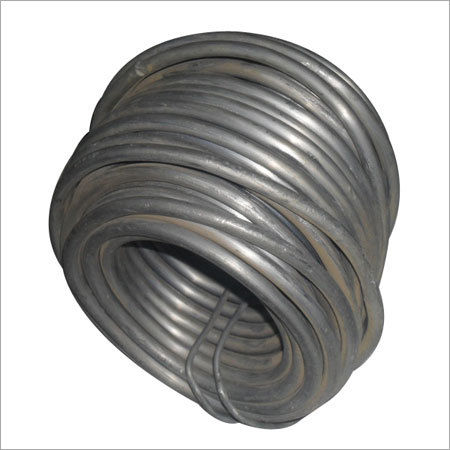

 Get Latest Price


 Send Inquiry
 Send Inquiry
 Send SMS
