Lead Sealing Wire About
We are instrumental in bringing forth for our esteemed clients quality approved Lead Sealing Wire at market leading prices and within the promised time frame. This product is developed for varied industrial use, and is extensively used to lead seal with the help of sealing pliers. In this range, we offer sealing wire of stainless steel & GI wire, as per the specifications of clients. Our Lead Sealing Wire is manufactured using only graded material procured from reputed vendors of the market. The wires are overlapped on each other to create a locking mechanism. To achieve the final product, lead wire is passed through lead seal and pressed with the use of sealing pliers.
Other details:
-
Can be provided in different specifications
-
Quality tested prior to dispatch
-
Scores high on parameters like tensile strength
-
Demanded in various industries
Superior Corrosion ResistanceThanks to its lead coating, the sealing wire resists rust and corrosion even in challenging environments. This ensures long-term reliability for security applications and prevents deterioration, maintaining the integrity of your seals over time.
Effortless Flexibility and HandlingEngineered for easy use, this wire features good flexibility, allowing it to be twisted and knotted without breaking. Its smooth, polished surface ensures quick application, making it ideal for manual sealing tasks across various industries.
Applications Across IndustriesWidely used for securing electric meters, shipping containers, drums, and cash boxes, our lead sealing wire provides tamper-evident solutions. Its adaptability makes it indispensable for utility companies, shipping, logistics, and financial establishments.
FAQs of Lead Sealing Wire:
Q: How does the lead sealing wire ensure tamper-proof security for meters and containers?
A: The wires solid steel core, coated with lead, makes it difficult to cut or manipulate without leaving visible marks. By twisting or knotting the wire when sealing, any unauthorized attempts to access the protected item will be readily noticeable.
Q: What are the storage guidelines for lead sealing wire bundles and coils?
A: Lead sealing wire should be stored in a dry environment and exposure to moisture should be avoided. Proper storage ensures the wires polished surface remains intact and maintains its corrosion resistance over extended periods.
Q: Where is lead sealing wire typically used?
A: It is commonly utilized for sealing electric meters, drums, shipping containers, cash boxes, and other items requiring tamper-evident security. Utility companies, exporters, logistics providers, and manufacturers regularly use these wires for safeguarding their assets.
Q: What process is involved in applying lead sealing wire?
A: To seal, the wire is cut to the required length and threaded through sealing holes or tags. It is then twisted or knottedoften with a sealing plierto lock the ends. This process ensures a secure and tamper-indicative seal.
Q: What sizes and packaging options are available for the wire?
A: The wire is available in various diameters, typically between 1.0mm to 1.5mm, and comes in standard 1-meter lengths that can be customized as per requirements. Packaging is done in convenient bundles or coils for easy transportation and storage.
Q: When should ROHS-compliant lead sealing wire be requested?
A: ROHS-compliant versions should be requested when export regulations or specific industry standards require minimized hazardous material content, especially for overseas shipments to countries with stringent environmental policies.
Q: What are the main benefits of using lead sealing wire for security applications?
A: Lead sealing wire offers high durability, corrosion resistance, and easy manual handling. Its tamper-evident properties provide reliable security, while customizable sizes and packaging add flexibility for diverse industrial uses.

 Get a Quote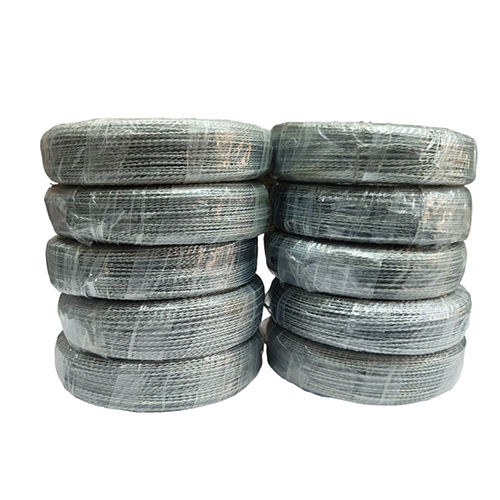

 Get Latest Price


 Send Inquiry
 Send Inquiry
 Send SMS
 Call Me Free
